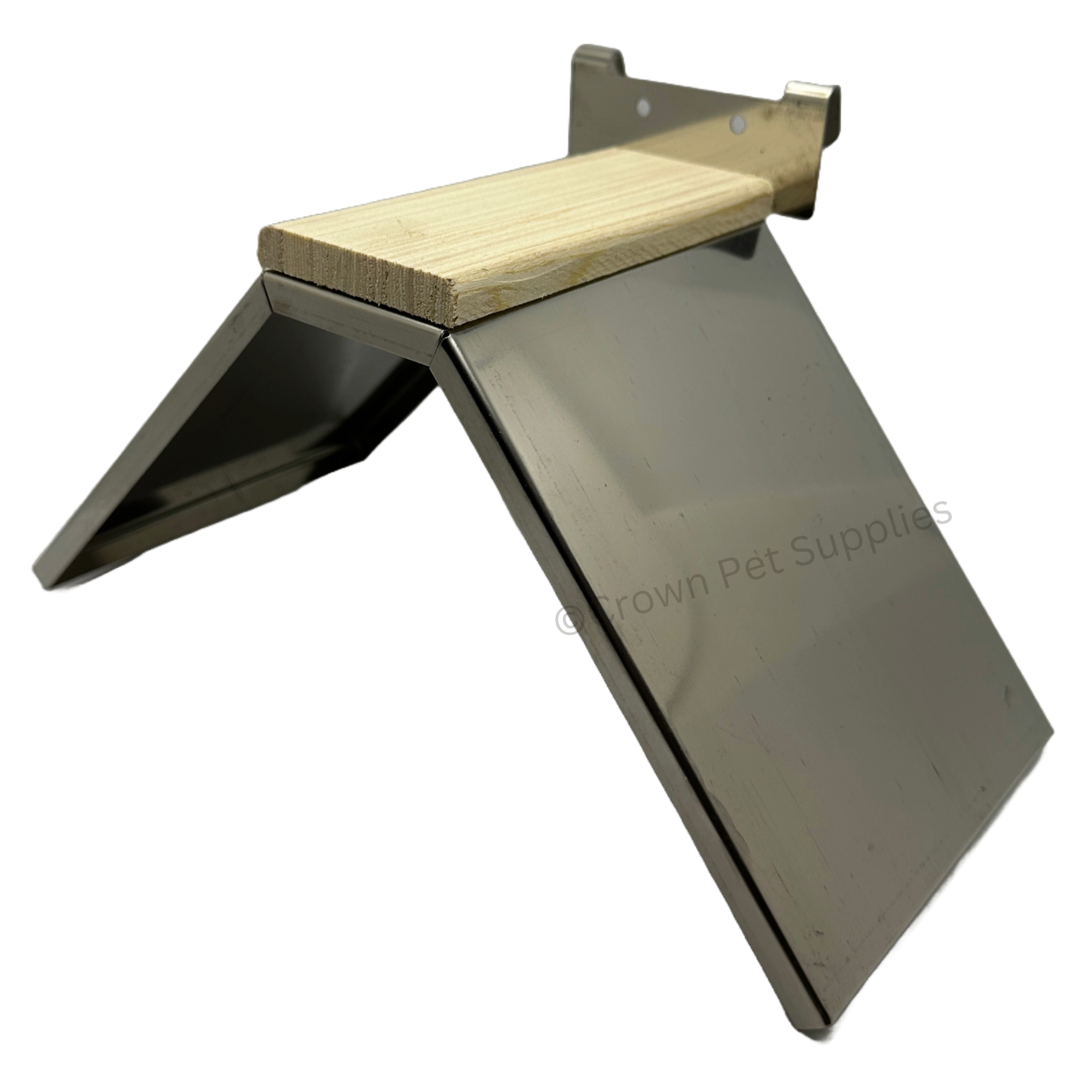
Bird owners often focus on food, water, and cage size, but one of the most important parts of bird care is choosing the right perch. Birds spend most of their lives standing, resting, climbing, and sleeping on perches, which means the quality of a perch directly affects their health and comfort. Safe and well-designed Perches help birds stay active, improve foot strength, and create a more natural cage environment. Without proper perches, birds may develop foot problems, poor balance, stress, and reduced activity levels over time. Whether you care for parrots, pigeons, budgies, canaries, or poultry birds, selecting the right perch setup is an important step toward keeping your birds healthy and comfortable. Pet owners looking for quality bird care and health products can visit Crown Pet Supplies for bird accessories, feed, and pet health essentials.
Why Perches Are Essential for Bird Health
Birds naturally spend time on tree branches of different textures and sizes in the wild. This movement keeps their feet active and helps strengthen their leg muscles. Cage birds also need a similar environment to stay physically healthy. A good perch allows birds to grip comfortably, move naturally, and avoid excessive pressure on the same areas of their feet. Poor-quality or incorrectly sized perches can lead to discomfort, sores, and even infections over time.
Perches also encourage birds to remain active throughout the day. Birds that move between different perches exercise more often, which supports healthy joints and improves balance. A comfortable cage setup can also reduce stress and boredom, especially for birds that spend long hours inside cages.
Different Types of Bird Perches
Bird owners can choose from several perch styles depending on their bird species and cage setup. Each type offers unique benefits that support comfort and activity.
Wooden Perches
Wooden perches are one of the best options because they closely resemble natural tree branches. Their uneven texture provides a secure grip and helps exercise bird feet naturally. Natural wood also supports healthy chewing behavior for birds that enjoy nibbling on cage accessories.
Rope Perches
Rope perches are soft and flexible, making them suitable for climbing birds. They add variety to the cage and encourage movement, although they should be checked regularly for loose fibers.
Cement and Mineral Perches
These perches are often used to help maintain bird nails. Their rough surface naturally wears down overgrown nails when birds stand on them frequently.
Platform Perches
Platform perches provide flat resting spaces that can be helpful for older birds or birds recovering from injuries. These are also useful for birds that enjoy resting with both feet flat.
Sanded Perches
Sanded perches are sometimes used for nail maintenance, but bird owners should avoid using them as the primary perch because rough surfaces may irritate sensitive feet with constant use.
How to Choose the Right Perch Size
Selecting the proper perch size is extremely important for bird comfort. A perch that is too small may cause strain, while one that is too large can make gripping difficult. Birds should be able to wrap their feet around the perch comfortably without their toes fully overlapping.
Small birds such as finches and budgies usually need thinner perches, while larger parrots and pigeons require wider surfaces for support. Experts recommend using multiple perch sizes in the same cage because different widths exercise different muscles in the feet and legs. Natural branch-style perches are often preferred because their uneven thickness creates a more realistic environment.

Bird owners should also consider cage size, material safety, and ease of cleaning before buying perches. Safe, durable, and easy-to-maintain products are always the better long-term choice.
Proper Placement of Bird Perches
Even high-quality perches may not work well if they are placed incorrectly inside the cage. Birds need enough open space to move freely and stretch their wings comfortably. Sleeping perches are usually placed higher in the cage because birds naturally prefer elevated resting spots where they feel secure.
Food and water bowls should not sit directly below perches because droppings can contaminate them. Owners should also avoid overcrowding the cage with too many toys and accessories. A balanced cage layout encourages movement while maintaining comfort and safety.
Changing perch positions occasionally can also provide mental stimulation and reduce boredom, especially for intelligent bird species that enjoy exploring their surroundings.
Common Mistakes Bird Owners Make
Many bird owners unintentionally choose unsuitable perches that may affect their bird’s health over time. One of the most common mistakes is using only smooth plastic perches throughout the cage. These surfaces do not provide enough texture or variation for healthy foot movement.
Another mistake is using only one perch size. Birds benefit from different widths and textures because this prevents repeated pressure on the same foot areas. Some owners also forget to clean perches regularly, allowing bacteria and dirt to build up over time.
Using unsafe materials is another concern. Chemically treated wood or damaged perches may cause injuries or irritation. Along with proper cage care, bird owners should also focus on overall health support through balanced nutrition and products like Hen Wormer for poultry and bird health maintenance.
Signs Your Bird Needs Better Perches
Birds often show signs of discomfort when their perch setup is unsuitable. Owners may notice birds standing on one foot more frequently, avoiding certain perches, or sitting on the cage floor for long periods. Swollen feet, redness, or difficulty balancing are also warning signs that should not be ignored.
Reduced movement and less interest in climbing may indicate that the cage environment is uncomfortable. Replacing old or unsuitable perches with natural and varied options can improve both physical health and activity levels.
Benefits of Natural Perches
Natural branch perches are widely recommended because they create a more realistic and enriching environment. Uneven textures help exercise bird feet naturally while improving grip strength and reducing foot pressure. Birds also enjoy chewing natural wood, which supports healthy beak maintenance and keeps them mentally stimulated.
Many bird owners notice positive behavioral changes after introducing natural perches into the cage. Birds often become more active, curious, and relaxed when their environment feels closer to nature.
Conclusion
Perches are one of the most important accessories in a bird cage because they directly influence comfort, movement, and overall health. Choosing safe, natural, and properly sized perches helps birds maintain healthy feet, stay active, and avoid common health issues caused by poor cage setups. Offering a variety of perch textures and sizes creates a more engaging and comfortable environment for birds of all species. Regular cleaning, correct placement, and high-quality materials also play an important role in maintaining bird hygiene and safety. Bird owners searching for trusted bird care products, accessories, and pet health supplies can explore Crown Pet Supplies for reliable solutions that support bird wellness and daily care.
FAQ
What type of perch is safest for birds?
Natural wooden perches are generally considered the safest because they provide better grip, natural texture, and comfortable support for bird feet.
How many perches should a bird cage have?
Most bird cages should include at least two to four perches of different sizes and materials to encourage movement and foot exercise.
How often should bird perches be cleaned?
Bird perches should be cleaned weekly or whenever they become dirty to prevent bacteria buildup and maintain a healthy cage environment.
Leave a Reply