Moving to a new country comes with excitement, fresh opportunities, and of course, a few challenges. If you’re planning to settle in Switzerland, understanding the language requirements is an important step. That’s where the fide test comes in. Designed to assess practical language skills for everyday life, this exam helps demonstrate your ability to communicate in real-world situations.
In this guide, we’ll explore fide test examples, explain how the exam works, and share practical preparation tips so you can walk into your test day feeling confident and ready.
Understanding the Structure Through fide test examples
The fide test evaluates language skills from levels A1 to B1. It focuses on practical communication scenarios that reflect daily life in Switzerland. The exam was developed on behalf of the State Secretariat for Migration (SEM), ensuring that it aligns with integration standards and real community needs.
The test is divided into two main parts:
- Oral section (Speaking & Comprehension) – 40 minutes
- Written section (Reading & Writing) – 60 minutes
When reviewing fide test examples, you’ll notice that the tasks are not abstract grammar drills. Instead, they revolve around everyday activities such as visiting a doctor, speaking with an employer, or handling paperwork at your local municipality.
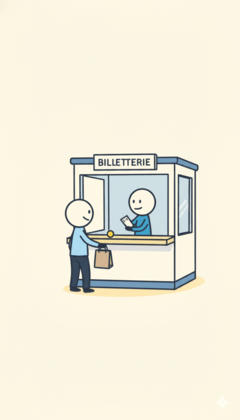
For instance, in the speaking portion, you may be asked to simulate a conversation with a receptionist or explain a simple personal situation. The goal is to show that you can communicate clearly and understandably in common settings.
The written section may include reading short texts like notices, emails, or forms, then answering questions or writing a short response. These examples help you understand the practical tone and format of the exam.
Practical Preparation Using fide test examples
Preparing effectively doesn’t have to feel overwhelming. Once you understand what to expect, your study sessions can become focused and productive.
Start by downloading a model test or registering for a mock speaking exam if available. Practicing with realistic fide test examples allows you to become comfortable with timing, question types, and expectations.
When reviewing examples, focus on:
- Understanding the context of each situation rather than memorizing answers.
For speaking practice, try role-playing everyday conversations. Ask a friend or language partner to pretend they are a doctor, employer, or municipal officer. Keep your responses simple, clear, and natural.
For the writing section, practice filling out forms, responding to short emails, and writing brief messages. Don’t aim for perfection. Instead, work on clarity and correct structure. The test evaluates your ability to function in real-life scenarios, not your ability to produce academic essays.
Who Can Take the Fide Test?
The fide test is open to anyone over the age of 16. It is designed to be inclusive, and individuals with disabilities can also take the test under special arrangements. These accommodations are coordinated between the examination institution and the Secretariat fide to ensure fairness.
You can choose to take the entire exam or just one part, depending on your needs. This flexibility is especially helpful if you only need certification for a specific language skill.
Registration, Cost, and Results
To register, you must contact an approved examination institution directly. Registration typically needs to be completed at least 15 days before your chosen exam date.
Here’s a quick overview of costs:
- Full test: CHF 250
- Oral part only: CHF 170
- Written part only: CHF 120
After completing the exam, you will receive your results and Language Passport by mail within approximately four weeks. During holiday periods, it may take up to six weeks. Results are not provided over the phone, so patience is key.
Building Confidence for Test Day
Confidence comes from familiarity. The more you practice with structured materials and realistic conversations, the more comfortable you will feel. Remember, this exam is designed to measure everyday communication skills—not to trick you.
If you already have language skills at level B1 or higher, you may also consider registering for a fide dossier instead of taking the test. That option can provide another pathway to certification.
Above all, approach your preparation with a calm and positive mindset. Consistent practice, exposure to real-life language situations, and thoughtful review of model tasks will generate noticeable improvement in both your speaking and writing skills.
Conclusion
The fide test is not just an exam; it is a reflection of your ability to participate confidently in daily life in Switzerland. By studying realistic fide test examples, practicing everyday scenarios, and understanding the exam format, you set yourself up for success.
Leave a Reply