
Every year, pharmaceutical and biotechnology companies attend dozens of medical conferences. These events reveal new research findings, clinical trial updates, and competitive insights that shape the future of healthcare innovation.
For many organizations, the responsibility of interpreting this information often falls on the medical science liaison. Their role connects scientific research with internal teams, ensuring that valuable insights from conferences are transformed into meaningful strategies.
However, the sheer amount of data presented at modern conferences has made this task increasingly complex.
A Typical Conference Experience for Medical Affairs Teams
Imagine a large international medical conference. Hundreds of posters line the exhibition halls, dozens of scientific sessions run simultaneously, and companies announce new research findings throughout the event.
Medical affairs teams attend these conferences to gain deeper insights into therapeutic areas and to monitor competitor developments. Yet the amount of information presented can quickly become overwhelming.
During the conference, professionals gather notes, capture key slides, and track important updates. Once the event ends, the real work begins—reviewing all the collected information and transforming it into internal reports.
This process often takes several days.
The Real Challenge: Turning Information into Insight
Conference data is valuable only when it can be understood and shared quickly within an organization. Medical affairs teams must translate raw scientific content into clear summaries that leadership, research teams, and commercial departments can use.
Unfortunately, the traditional workflow has several limitations.
First, manual data review is time-consuming. Even experienced teams can spend hours reviewing presentations and abstracts after the event.
Second, valuable insights can be delayed. By the time reports are finalized, competitors may already be reacting to the same findings.
Third, smaller teams may not have enough resources to analyze every relevant session or poster.
Because of these challenges, companies are increasingly looking for more efficient ways to capture conference intelligence.
How Technology Is Changing Conference Intelligence
Recent advances in data analysis tools have introduced a faster approach to conference intelligence. Instead of manually reviewing hundreds of presentations, organizations can now rely on systems that identify relevant insights automatically.
These platforms scan conference materials and quickly highlight key scientific developments, competitor announcements, and disease-state trends.
As a result, medical affairs teams receive organized summaries almost immediately.
Companies exploring medical science liaison intelligence solutions are using these technologies to identify conference insights in seconds and generate structured reports instantly. Tasks that previously required days of manual effort can now be completed almost immediately.
This shift dramatically improves how pharmaceutical organizations process scientific information.
The Impact on Medical Affairs Teams
Automated conference intelligence changes the role of medical affairs professionals. Instead of spending most of their time gathering and organizing information, they can focus on interpretation and strategic analysis.
This shift creates several benefits.
Faster access to scientific insights
Medical affairs teams can identify critical conference updates almost instantly. Rapid insight generation helps organizations stay informed while the conference is still ongoing.
Better knowledge sharing across departments
Once conference insights are organized into structured reports, they can be shared quickly with different teams across the company.
For example:
- Research teams gain updates on emerging clinical data.
- Medical affairs teams strengthen their disease-state knowledge.
- Commercial teams understand competitor positioning.
- Leadership teams gain a clearer view of industry trends.
When information moves faster, organizations can make better decisions.
Improved efficiency for smaller teams
Not every company has large medical affairs teams attending conferences. Smaller biotechnology firms often rely on a few representatives to gather insights.
Automated conference analysis allows these teams to process large volumes of data quickly, ensuring they do not miss important scientific developments.
Why Conference Speed Matters in the Pharmaceutical Industry
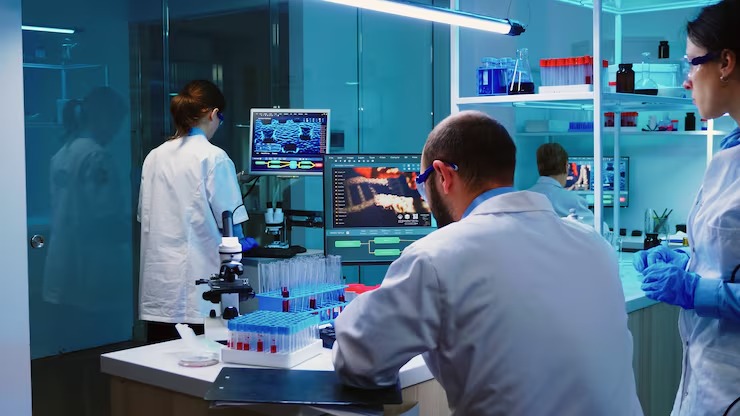
In the life sciences industry, timing often determines competitive advantage. When companies identify emerging research trends early, they can adapt strategies faster than competitors.
Conference intelligence helps organizations:
- Monitor competitor drug development progress
- Identify promising therapeutic innovations
- Track shifts in disease-state research
- Improve internal scientific discussions
The faster these insights are available, the more effectively teams can respond to industry developments.
This is why many pharmaceutical and biotechnology companies are investing in faster methods of conference data analysis.
Looking Ahead: The Future of Medical Conference Intelligence
Medical conferences will continue to play a critical role in advancing scientific knowledge. However, the way companies capture and analyze conference insights is evolving rapidly.
Automation and intelligent data analysis are reducing the time required to process conference information. Instead of waiting days for reports, teams can access structured insights within seconds.
This transformation allows medical affairs professionals to focus on their core mission—interpreting complex scientific data and supporting better healthcare innovation.
Conclusion
The role of medical science liaison professionals has always been essential in bridging scientific research and strategic decision-making within pharmaceutical organizations. Yet the traditional methods used to capture conference insights are no longer efficient enough for today’s fast-moving industry.
By embracing automated conference intelligence solutions, companies can identify relevant insights instantly and generate reports within seconds. This approach reduces manual workload while improving the speed and quality of scientific analysis.
Ultimately, faster conference intelligence empowers medical affairs teams to strengthen disease-state knowledge, monitor competitor activity, and deliver the insights that drive smarter decisions across the pharmaceutical and biotechnology sectors.
Leave a Reply