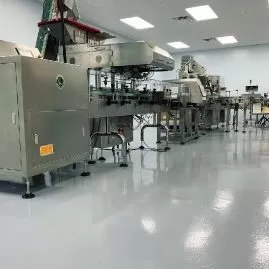
When restaurateurs plan a new kitchen or a renovation, the menu gets all the glory. Chefs debate proteins, designers argue over lighting, and managers obsess over seating capacity. Yet one of the highest-stakes decisions quietly sits underfoot. Restaurant kitchen flooring affects staff safety, sanitation scores, operational efficiency, and long-term maintenance costs in ways that most owners only appreciate after making an expensive mistake. Getting it right from day one is not just smart business. It is essential.
The Hidden Costs of the Wrong Floor
A floor that looks fine on installation day can turn into a liability within months. Smooth tiles become dangerously slick when grease hits them. Porous materials trap bacteria in microscopic cracks, creating health inspection headaches. Cheap epoxy coatings chip under heavy rolling equipment, exposing concrete that soaks up moisture and harbors mold. Each of these problems carries a price tag far beyond the original savings. Workers’ compensation claims from slip-and-fall injuries average tens of thousands of dollars per incident. A failed health inspection can result in temporary closure, costing a restaurant thousands per day in lost revenue and irreparable reputational damage.
The smartest operators treat flooring as infrastructure, not decoration. A floor is expected to last ten to fifteen years in a commercial kitchen environment. Cutting corners at the beginning almost always means cutting the floor’s lifespan in half.
What to Look for in a Commercial Kitchen Floor
Not every durable material works in a commercial kitchen. The right restaurant kitchen flooring solution needs to check several boxes simultaneously.
Slip resistance is non-negotiable. Look for surfaces with a coefficient of friction rating above 0.6 when wet. Quarry tile with deep grout lines, textured rubber flooring, and certain urethane coatings all perform well in this area. Ease of cleaning matters just as much. A floor with too many seams, joints, or grout lines gives bacteria more places to hide. Seamless systems, including poured epoxy or cementitious urethane, minimize this risk dramatically.
Thermal shock resistance is another factor that kitchen owners underestimate. Commercial kitchens experience rapid temperature swings when hot grease hits the floor or when staff clean with steam. Some materials crack under that stress. Cementitious urethane is engineered specifically to handle these extremes, which is why it has become the go-to choice for high-volume kitchens.
Why Professionals Recommend Investing in Expert Installation
Even the best flooring material will underperform if it is installed incorrectly. Commercial kitchen floors require precise surface preparation, proper moisture testing, correct mixing ratios for poured systems, and adequate curing time before the space goes back into service. An amateur installation can void a manufacturer’s warranty, create adhesion failures within months, and leave business owners with a floor that costs more to fix than it would have cost to install correctly the first time.
Businesses that take their operations seriously partner with specialists. Investing in restaurant kitchen flooring through an experienced commercial flooring company means getting guidance on the right product for the specific kitchen environment, professional installation that meets local health codes, and a solution built to last under real commercial conditions.
Conclusion
A kitchen floor is not a background detail. It is a load-bearing element of your entire operation. The right restaurant kitchen flooring protects employees, satisfies regulators, and delivers years of reliable service. Treat this decision with the seriousness it deserves, and your kitchen will perform better from the ground up.
Leave a Reply